Most sports clubs have not deliberately designed their digital setup as one complete system.
It has usually grown piece by piece.
A website was built first. Booking software came later. Memberships, payments, competitions and club communication were then handled through whichever platforms solved the immediate problem.
Each tool can work perfectly well on its own while the overall experience remains disjointed.
A prospective member reads about the club on the website, joins through another platform, books somewhere else and receives updates through email or social media. Behind the scenes, staff move between several logins, copy information into spreadsheets and manually fill the gaps between systems.
The real opportunity is not to squeeze every club function into one enormous platform. It is to create a clearer connection between the public website, the member experience and the work happening behind the scenes.
From discovering the club to being part of it
The relationship begins long before someone logs into a member area.
A strong public website gives people a proper understanding of the club: its facilities, memberships, coaching, events, atmosphere and wider offer. It provides enough information for someone to decide whether the club feels right for them, then makes joining, booking or enquiring straightforward.
Once they become a member, that experience should not suddenly feel like it belongs to a different organisation.
Too many clubs move people from a carefully designed website into a generic third-party portal with different branding, unfamiliar navigation and little connection to what attracted them in the first place.
A joined-up member experience carries the club’s identity through the whole journey.
After logging in, someone might check an upcoming booking, read a club update, enter a competition, follow results or access information linked to their membership. The functions will vary between clubs because members use different facilities and take part in different activities.
Mobile access is particularly important.
Members are more likely to check a booking, follow a competition or read an update on the phone already in their pocket than wait until they are sitting at a desktop computer. For some sports, the platform can also support them while they are playing, training or attending an event.
That changes the role of the member area. It becomes part of the club experience rather than somewhere people only visit to update an address or check a payment.
Making the club easier to run
The member-facing experience is only useful when the team can manage what sits behind it.
Club staff rarely need the same information or controls.
A coach needs access to students and sessions. Reception may need bookings and check-ins. Competition organisers need entries and results. Club management needs a broader view across memberships, facilities and activity.
Giving everyone the same oversized control panel usually creates more confusion, not more control.
The administration side works better when each person can see and manage the areas relevant to their role. Routine updates should also remain within the club’s control, whether that involves changing availability, publishing a notice, reviewing a request or updating key information.
This does not mean replacing every platform already in use.
Bookings, handicapping, payments, EPOS, accounts and competition management are specialist areas, and many clubs already have reliable systems covering them. Rebuilding good software for the sake of creating one platform would add cost without necessarily improving anything.
The bigger issue is what happens between those systems.
When staff repeatedly copy member details, reconcile payments, check several calendars or maintain additional spreadsheets, the club is doing work that the digital setup ought to reduce.
A better system keeps the useful tools in place where appropriate, then improves the connections around them. Where existing software genuinely limits an important process, that part can be reconsidered rather than assuming everything needs to be replaced.
Building around the club rather than a fixed package
The needs of a small community club are completely different from those of a larger venue offering several sports, membership types, coaching programmes and commercial facilities.
For some, a clearer website, private member access and a straightforward booking journey will cover most of what is needed.
Others need competitions, live activity, facility bookings, coaching, several levels of access and more developed tools for staff.
Standard club or membership software remains the sensible choice when the club’s requirements fit the product. The case for custom development becomes stronger when several systems need to exchange information, different users require distinct experiences or an important part of the club’s operation does not fit neatly into standard software.
It also becomes relevant when staff are spending too much time managing spreadsheets and workarounds, or when members are regularly pushed through a fragmented journey.
The first version does not need to cover every possible idea.
A club could begin by improving its website, member access and essential administration. Further features can then be introduced around genuine use, feedback and priorities instead of committing to a large package filled with tools nobody needs.
That gives the club room to develop the platform without changing how it works to satisfy a fixed software plan.
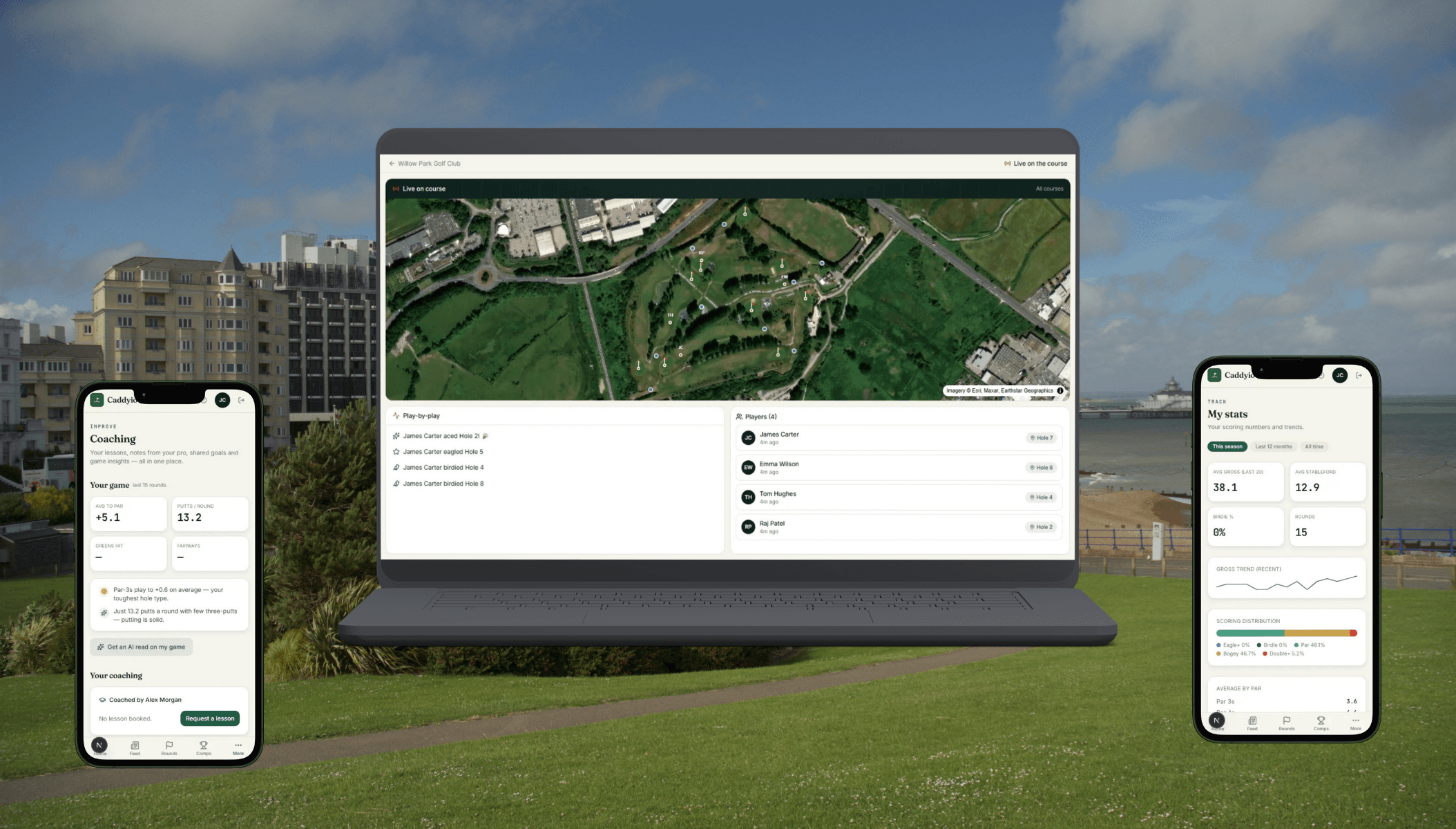
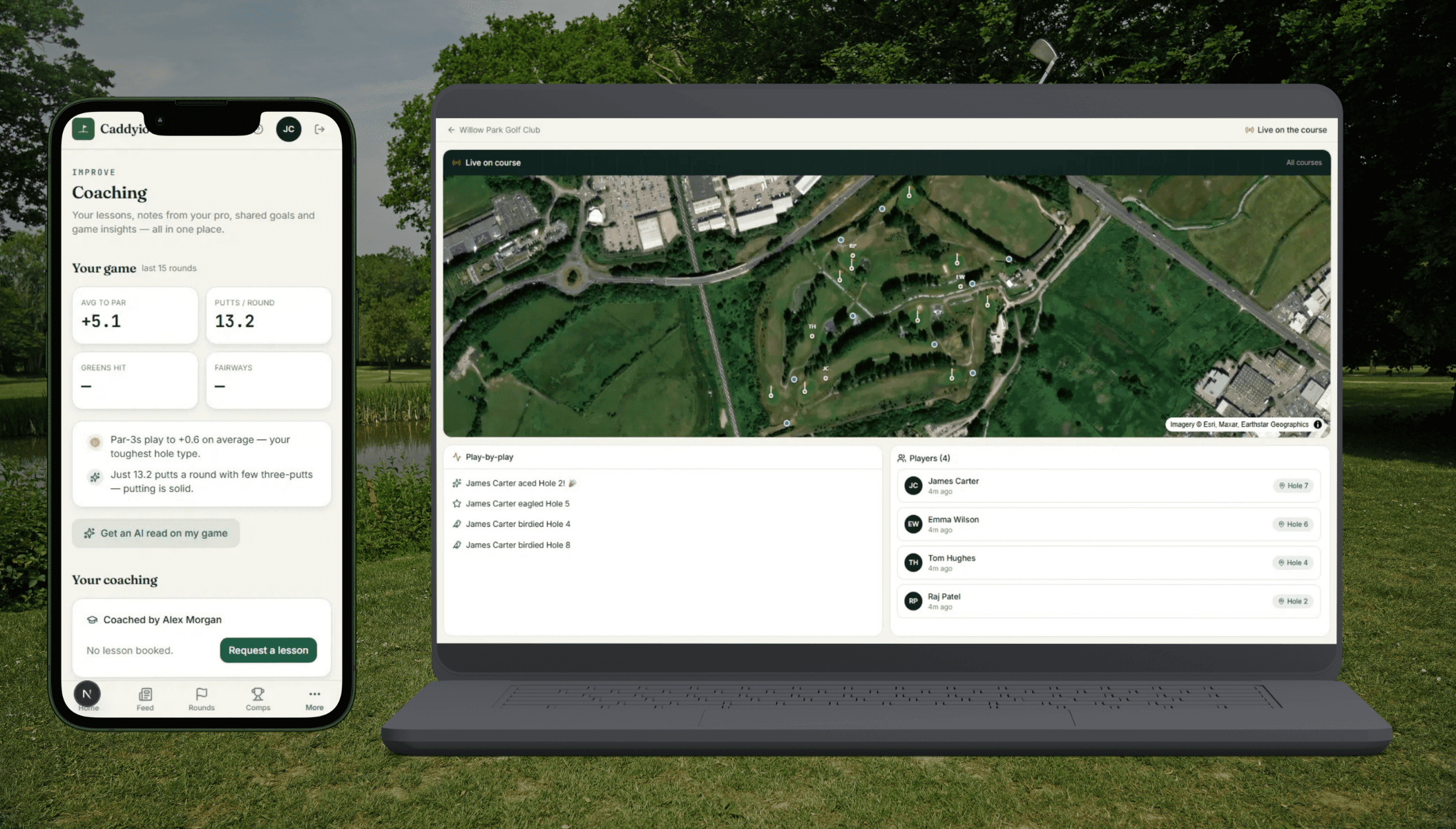
Horam Park and Caddyio in practice
Our work with Horam Park Golf Club brings these ideas together.
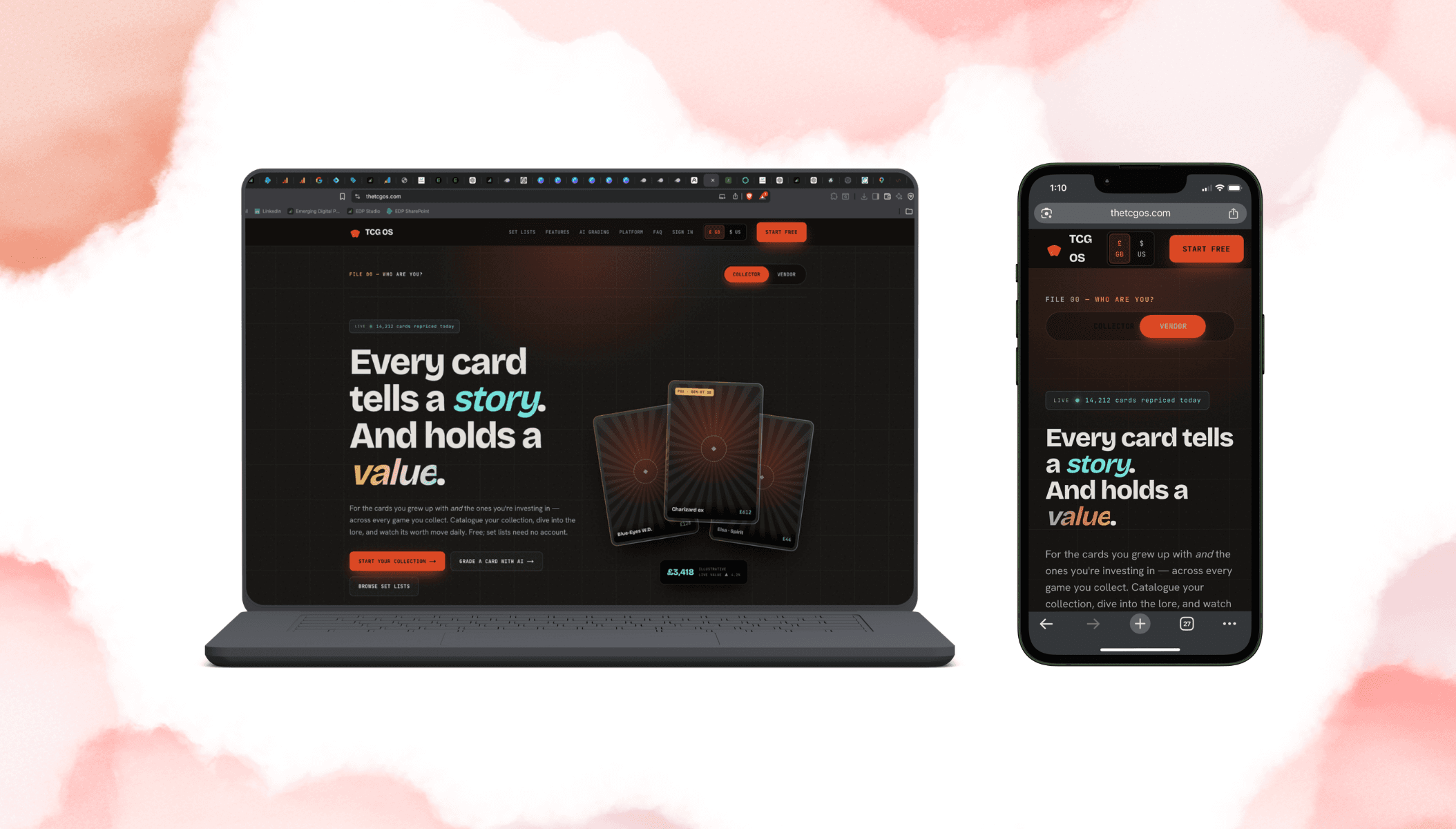
The public website gives the course, coaching, memberships, facilities and wider venue the space to be properly understood. Private member access continues the relationship after login, while editable administration tools allow the club team to control the information they regularly need to manage.
Caddyio extends the experience onto the course and into the wider life of the club.
Its mobile-first tools support scoring, competitions, societies, coaching and live golf activity. Information can also feed into leaderboards, clubhouse displays and other parts of the club experience, while useful specialist systems continue handling the jobs they already perform well.
The result follows the full relationship someone has with the club: discovering it, joining, booking, playing and staying involved.
Could your club’s systems work better together?
If members are moving between separate platforms and staff are left filling the gaps with spreadsheets, repeated checks and manual administration, the digital setup has become part of the problem.
EDP can help map the current journey, identify which systems are worth keeping and design the missing pieces around how the club actually operates.
That could mean a stronger public website, a more useful member experience, better staff tools or a connected platform bringing those parts together.
Frequently asked questions
A sports club management system is a digital setup used to support areas such as memberships, bookings, payments, communication, competitions, member access and staff administration.
Want a hand with this?
We help businesses across Eastbourne and East Sussex turn this kind of thinking into real results.
Start a conversation