
Signs your business has outgrown spreadsheets and disconnected systems
Spreadsheets are useful. So are shared inboxes, calendars, booking platforms, stock systems and customer databases.
The problem starts when several of them are doing parts of the same job without properly connecting.
A customer fills in a form, but someone still copies the details into a spreadsheet. A booking looks automated, but staff need to check the payment, update another calendar and confirm it manually. Stock is tracked in more than one place. Reports only exist once someone has exported and combined the figures.
The original setup may have worked perfectly well when the business was smaller. Another tool, spreadsheet or workaround was simply added each time something new was needed.
Eventually, the workarounds become the process.
That is often the point where a custom web application or connected business system becomes worth exploring. Our article on what a web app is and how it differs from a website explains the distinction in more detail.
The same information keeps moving between different places
Repeated data entry is one of the clearest signs that the setup is no longer working properly.
The same customer details may appear in a form, spreadsheet, booking platform, mailing list and CRM. When something changes, one version is updated while the others are left behind.
Staff then spend time checking which record is correct, correcting mistakes and keeping the different systems in line.
Reporting becomes difficult for the same reason. The business may have plenty of data, but it sits across separate platforms and has to be exported and combined manually. By the time the numbers are ready, they may already be out of date.
A connected system gives the business one dependable source of information. The relevant data can still appear in different places, but it does not need to be entered and checked again each time.
We have seen this with The TCG OS. Vendors can manage stock through one platform while selling through physical retail, online channels, marketplaces and events. Its value is not simply an inventory feature. It reduces the repeated reconciliation around the process.
People are compensating for gaps in the system
Some processes only work because one or two people know every step.
They know which spreadsheet is current, which email needs to be sent and what to check when something does not match. If they are away or overloaded, the work slows down because the process lives partly in their head.
Customers can feel these gaps too.
They may have to provide the same information twice, email to complete a simple change or ask whether a booking has been confirmed because they cannot see the status themselves. A polished website may send them into a separate booking system that looks and behaves like a different business.
A better setup makes the process clearer on both sides. Staff can see what has happened and what needs attention. Customers or members can complete straightforward tasks themselves without losing the right support or controls.
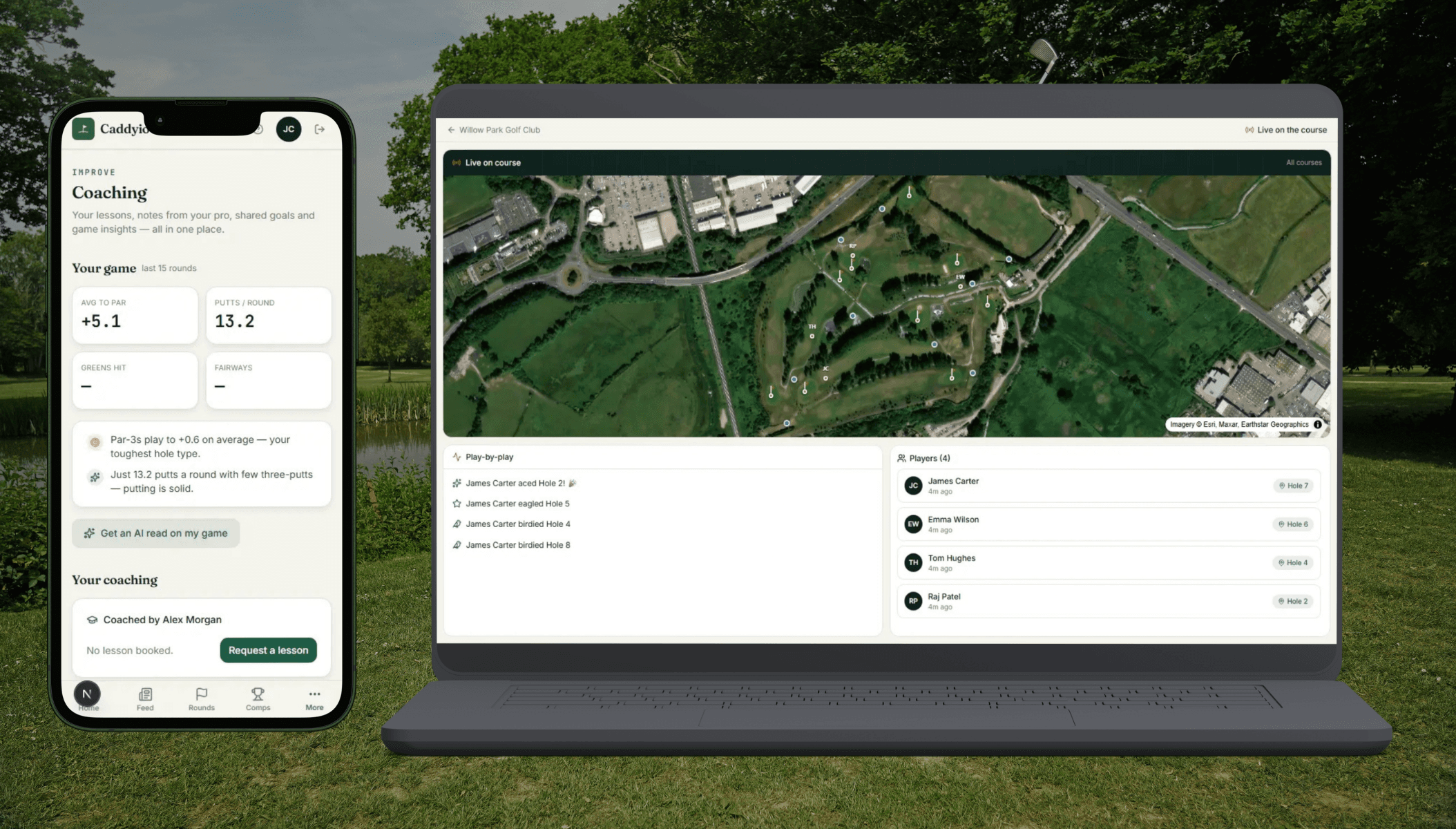
Our work with Horam Park Golf Club follows this principle. The public website, private members area, admin portal and Caddyio functionality work together as one connected platform.
Customers do not need to understand how many tools the business uses. They need the experience to feel joined up.
The software no longer fits how the business works
Off-the-shelf software is often the right choice. It is quicker to introduce, costs less upfront and may already do most of what the business needs.
The warning sign is when the team starts building spreadsheets and manual processes around it because important parts of the workflow are missing.
Staff may only use one part of the software and manage everything else through email. Customers may be pushed through awkward steps. Useful information may exist but not be available to the people who need it.
These problems become harder to ignore as the business grows. A setup that worked with a small number of bookings, members or orders may become unreliable at a higher volume. Adding a new service or sales channel can mean changing several disconnected tools instead of one clear process.
Custom development becomes worth exploring when those limits repeatedly affect:
- Staff time
- Accuracy
- Customer experience
- Reporting
- Operational control
- The ability to grow
That does not automatically mean replacing everything. The answer may be a better existing product, an integration between current tools or a focused application filling the gap.
What could a better setup look like?
A better setup does not need to be a huge platform.
It could be a customer portal for bookings and account information. It could be an admin dashboard showing live activity. It could connect payments, calendars and customer records so staff no longer move the same information between them manually.
Different users can see different parts of the same system. Customers get a simple experience. Staff get the information and controls they need. Administrators can manage access, activity and reporting.
A useful starting point is identifying where the business repeatedly loses time, corrects mistakes or asks people to work around the system.
That is where we start at EDP.
We look at how the process works now, where information comes from, who needs it and which steps still rely on manual work. We also look at which existing tools are useful and where the gaps sit.
From there, we can work out whether the business needs a better connection between its current systems, a focused web application or a wider platform linking the public website, customer experience and internal administration.
The result could be a portal, booking system, dashboard or another tool built around a specific workflow. Whatever form it takes, it should remove work rather than create another place for the team to manage.
Is your business being held together by spreadsheets and manual administration?
Show us where information is being copied, work is slowing down or customers are hitting unnecessary steps.
We can help you explore whether the answer is a better connection between the tools you already use, a focused custom application or a wider system built around how your business operates.
Frequently asked questions
Common signs include repeated data entry, conflicting records, slow reporting, manual checks and important processes depending on one person’s knowledge.
Want a hand with this?
We help businesses across Eastbourne and East Sussex turn this kind of thinking into real results.
Start a conversation