Most of the digital thinking in a business goes into the stretch before somebody says yes. The website is built to be found, to explain the work properly, to answer the obvious questions and to make an enquiry or booking easy, and it tends to be judged on how well it manages that. Once the person has booked, bought, joined or agreed to work with you, they stop assessing the business and start experiencing it, and the digital side of that has usually grown up much less deliberately. The confirmation email was written once and never looked at again, paperwork goes out by hand because that’s how it started, and the customer area, if there is one, exists because somebody asked for it rather than because anyone worked out what it should do.
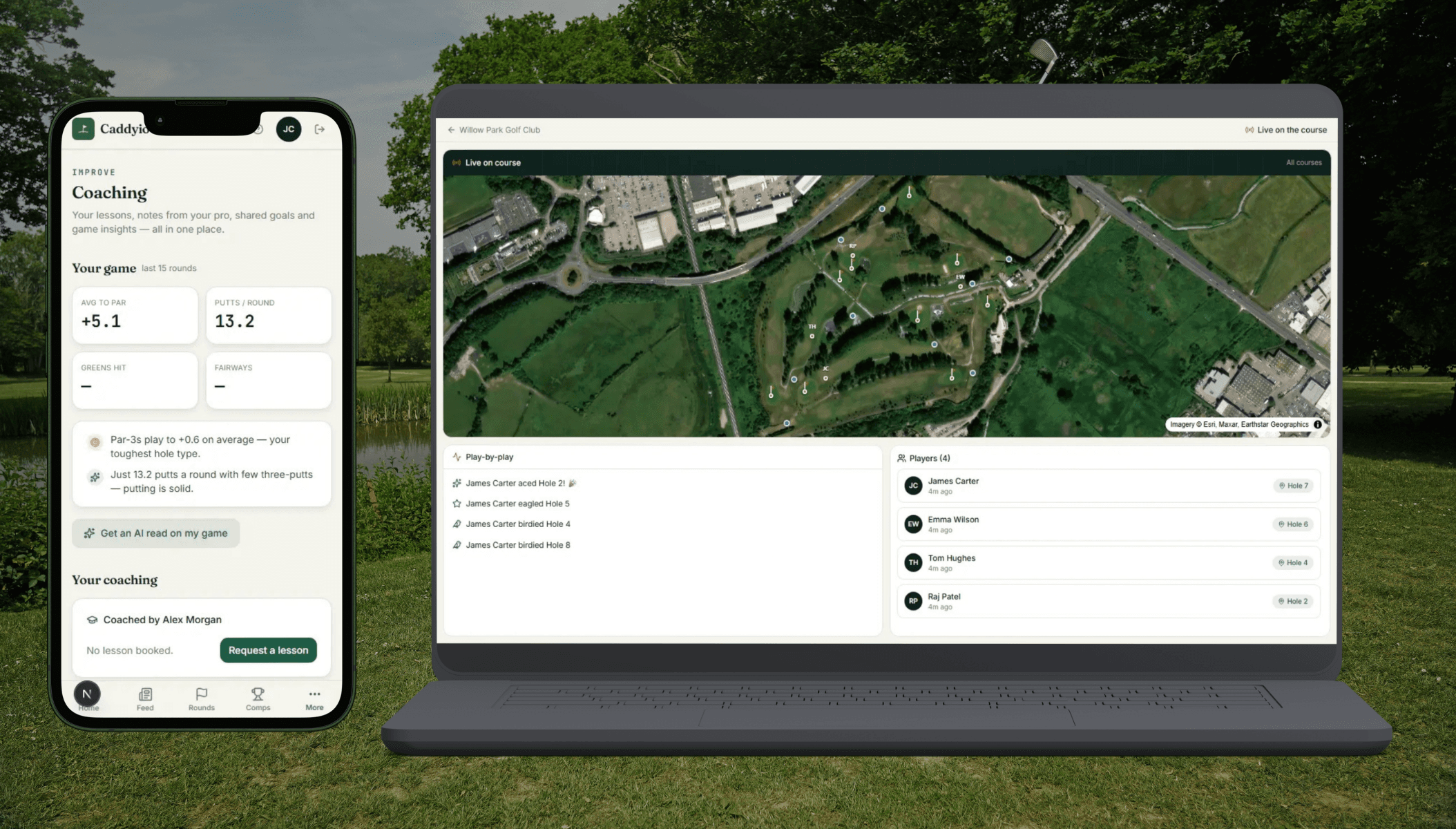
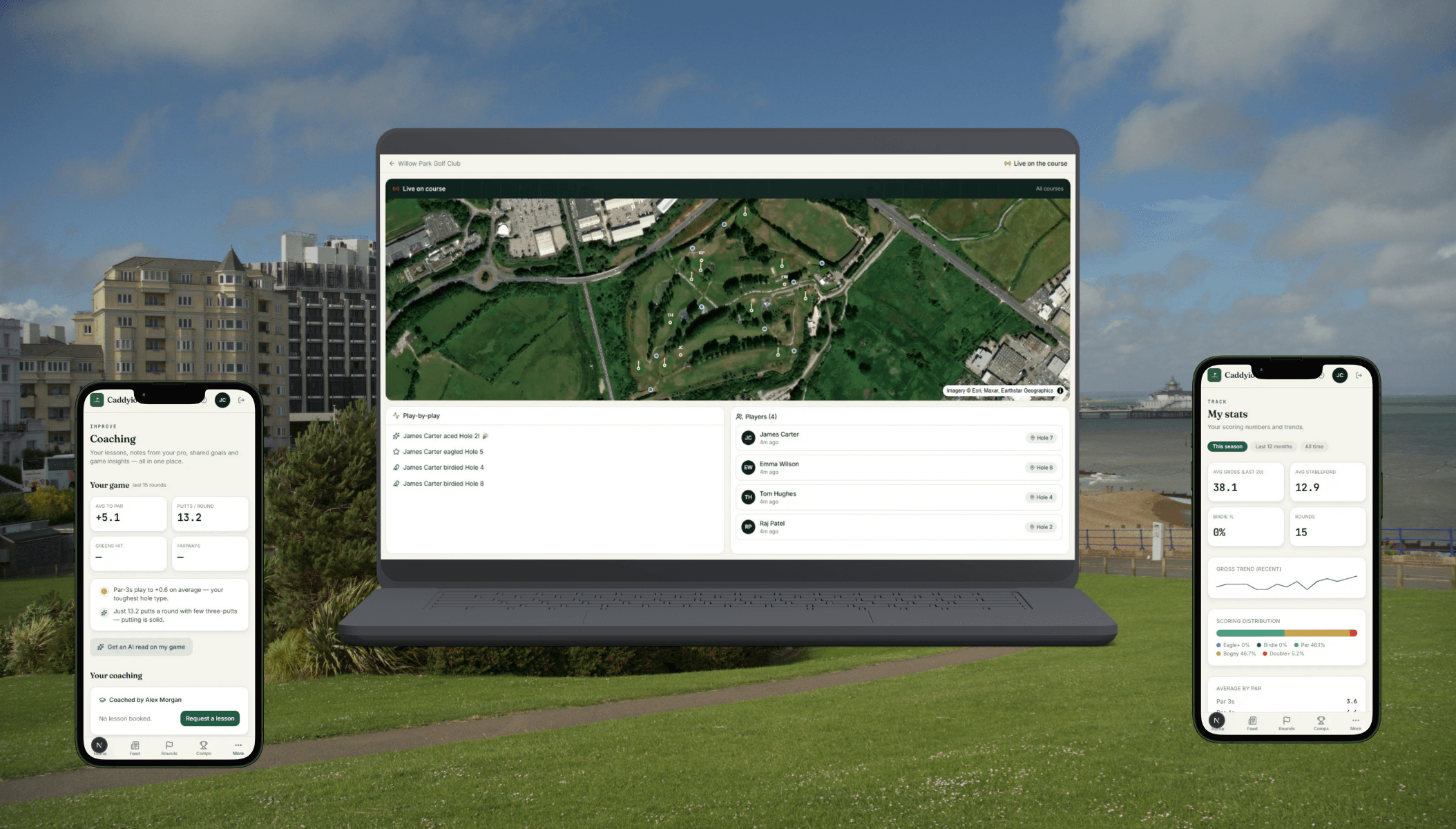
That matters most for businesses built on memberships, repeat visits, ongoing services or longer relationships, where a customer deals with the business many times after the first sale. What they need is ordinary enough. They want to know what happens next, get information before an appointment, send details across, see where things have got to, find what they paid for and come back without starting from scratch. When the digital setup doesn’t cover those things the team covers them instead, which usually looks like the same instructions being emailed again and again, the same questions answered every week and information copied between systems to keep a job moving.
Where people add something and where they fill a gap
None of that is an argument for automating everything. Plenty of businesses are well served by a straightforward website followed by a good conversation, and speaking to somebody is often the most valuable part of what the customer is paying for. A call that reassures, advises or sorts out something specific is the service working as it should. What separates that from the other kind of staff time is whether a person is adding something or covering for the fact that the customer has no sensible way to complete a routine task, such as changing an appointment, finding a document sent last month or checking what their membership includes. The second kind is easy to mistake for good service because somebody always picks up the phone, and it only shows up as a problem when the same call is being taken ten times a week.
The fix is often smaller than people expect. A booking system may already have the functionality and never have been set up to use it, information collected on the website may be able to flow into another system without anybody retyping it, and a clearer confirmation can remove a regular source of questions. Where the requirement is more particular to how the business runs, something tailored around it may be justified, and the choice between keeping existing software, connecting it or building something new, which the previous article covered, can be made properly once you know what actually needs to be easier. Some of the most useful changes sit on the staff side and are invisible to the customer, like giving the team a clear view of a customer’s history and outstanding actions so whoever answers has what they need.
Coming back
An existing customer arrives with a history. The business knows what they bought, what they’re entitled to, what stage they’ve reached and what they’ve already said, and plenty of businesses still treat the second visit much like the first. Where a service is used rarely, or the relationship moves offline after the first enquiry, that’s entirely reasonable. For businesses that depend on repeat bookings, renewals or ongoing use it matters a good deal more, because repeat business gets harder than it needs to be each time returning means starting again. EDP’s FUTURE Loop maps onto this fairly neatly. Find, Understand and Trust cover most of what has to happen before somebody chooses a business, and Use and Return cover whether the digital setup keeps helping afterwards, by giving people access to the service, a way to manage the relationship and an easier route back.
What the afterwards tells you
What happens after the sale also gives a business evidence that is easy to miss when attention sits on traffic, enquiries and conversions. Recurring questions point to information customers aren’t getting at the right moment, and a customer area nobody logs into suggests it gives them little reason to return. A process that always needs somebody to step in may genuinely benefit from that, or it may simply have grown that way because nobody has looked at it since. Staff workload, repeat use and the places customers get stuck all indicate what to change next, whether that turns out to be a website update, an integration, a better internal process, new functionality or no technical change at all. In the FUTURE Loop that’s Evolve, a digital setup that develops around what customers and the business actually do instead of staying fixed around assumptions made when it was first put together.
We work across websites, web apps, customer-facing systems, internal tools and the third-party platforms a business already uses, so we often end up looking at the website, the customer experience and the internal operation together, since they affect one another more than they tend to be planned as though they do. For plenty of businesses the right answer will remain a good website with a good person behind it, and looking at what happens after the sale is a quick way of finding out whether that’s the case.
Frequently asked questions
Depending on the business, customers may need confirmations, documents, bookings, account access, payment information, updates or an easy way to return and continue their relationship.
Want a hand with this?
We help businesses across Eastbourne and East Sussex turn this kind of thinking into real results.
Start a conversation