How much does a website cost in the UK?
Website pricing can be hard to compare because the cost depends on what sits behind the finished site, not just how many pages it has.
As a rough guide, a small business website with EDP can sit somewhere around £500 to £3,000. A simple site with a small number of pages and clear service information may sit towards the lower end. A more developed website with stronger content planning, SEO foundations, visual assets or extra functionality will usually sit higher.
Larger or more bespoke projects can go beyond that, especially where the website needs to support e-commerce, bookings, member areas, customer portals or backend tools.
The number of pages is useful to know, but it rarely tells the full story. A website that only needs to explain the basics will be priced very differently from one that needs original content, search-led structure, bespoke functionality or room to support future marketing.
Why website costs vary
Two websites can sound similar at first but involve very different levels of work.
A five-page website with simple content and a contact form is not the same as a five-page website that needs copywriting, photography, video, booking functionality or a more bespoke design approach.
Page count still affects cost, but it is only one part of the picture. The structure of the site, the depth of the content, the level of design, the functionality and the amount of planning all make a difference.
A good website quote should reflect the work needed to make the site useful, not just the number of pages being built.
What pushes a website towards the higher end?
One of the biggest factors is planning.
A website should be shaped around the business, the audience and the actions people need to take. That planning helps decide which pages are needed, how services should be grouped, what content needs to be included and how users should move through the site.
Content also plays a big role.
Some businesses already have strong copy, professional images, case studies and service information ready to use. Others need more support pulling that together.
With many EDP website projects, we go on site to capture content ourselves. That might include photography, drone footage, video, interviews or other visual assets that can be built directly into the website.
This is not needed for every project. We have built strong websites using existing client assets too. But when the right content is created alongside the website, it can make the final site feel more real, more credible and more specific to the business.
Functionality can also change the scope. A website that only needs to explain services and collect enquiries is usually simpler than one that needs online payments, bookings, memberships, customer accounts or bespoke tools built around how the business works.
For more on this, read why useful content helps your website get found online.
When does a website need more than a simple build?
Not every business needs a large or complex website.
For some, the right answer is a clear, professional site that explains the business properly, builds trust and gives people a simple way to enquire.
A more developed website is usually needed when the site has a bigger role to play. That could mean supporting multiple services, locations, audiences, campaigns or internal processes. It could also mean replacing an outdated website that no longer reflects how the business operates.
This is where web design becomes more than creating a set of pages.
A website might need to support bookings, memberships, online sales, internal tracking, customer portals or backend management tools. In those cases, the website becomes part of how the business works, not just something people visit before getting in touch.
That kind of build will usually cost more, but the cost should be judged against what the functionality is helping the business do.
Why cheaper websites can become expensive later
A cheaper website is not always the wrong choice.
For the right business, at the right stage, a simple site can be enough.
The risk comes when a low-cost build skips the parts the business actually needs. If the structure is unclear, people may struggle to find what they need. If the copy is thin, visitors may leave without understanding the business properly. If search visibility is not considered early, the site may need more work later.
A website can also become expensive after launch if it is difficult to update, hard to expand or built in a way that does not support future marketing.
That is why price should not only be judged on the launch cost.
A website should be considered in terms of how well it supports the business after it goes live.
Where SEO and AI Search fit into website cost
SEO should not be something a business only thinks about after the website has been built.
The structure of the site, the way services are explained, the page titles, internal links, content depth and local relevance can all affect how well the website supports search visibility.
The same applies to AI Search Visibility.
AI-powered search tools need clear information to understand what a business does, who it helps, where it works and why it can be trusted. A vague or thin website gives people and search systems less to work with.
That does not mean every website build needs a full ongoing SEO campaign from day one.
It does mean the right foundations should be considered during the planning stage.
For EDP, this usually means thinking about the pages the website needs, the searches that matter, the questions customers are likely to ask and how the content can support both people and search systems.
This can affect the cost of the build, but it can also reduce wasted work later. A website that has been planned properly is usually easier to improve, expand and connect with wider marketing activity.
For more context, read how AI search is changing what good SEO needs to do.
What else can support a website build?
A website often becomes the place the rest of a business’s digital activity points back to.
Social media may lead people to service pages, case studies or campaign landing pages. Email marketing may need clear pages to support enquiries or follow-ups. Video and drone content can help show the business more clearly. Analytics can show what people are doing on the site and where improvements may be needed.
These things do not all need to be included in every website project.
A good web design process should work out what the business needs now and what it may need later.
For some businesses, the right answer is a focused site with strong foundations. For others, the website may need to connect with content, search, video, functionality and ongoing marketing support from the start.
How to understand the quote you are given
A useful website quote should make it clear what is actually included.
That does not mean every detail needs to be overcomplicated, but you should be able to understand what you are paying for.
Look at whether the quote includes planning, design, build, copywriting, content support, SEO foundations, testing, launch support and any specific functionality. It should also be clear what happens after launch, especially if you need hosting, updates, reporting or ongoing marketing support.
A very low quote may still be right for a simple project, but it is worth checking what has been left out.
A higher quote should be able to explain what extra value is being included, whether that is better content, stronger structure, bespoke functionality, search planning or more support around the business’s wider goals.
The quote should reflect the role the website needs to play.
If SEO is part of the project, it may also help to read what SEO costs in the UK and why it varies so much.
Not sure what your website needs?
If you already have a website, the first step might not be asking for a rebuild straight away.
It may be understanding whether your current site is helping people and search systems find, understand and trust your business.
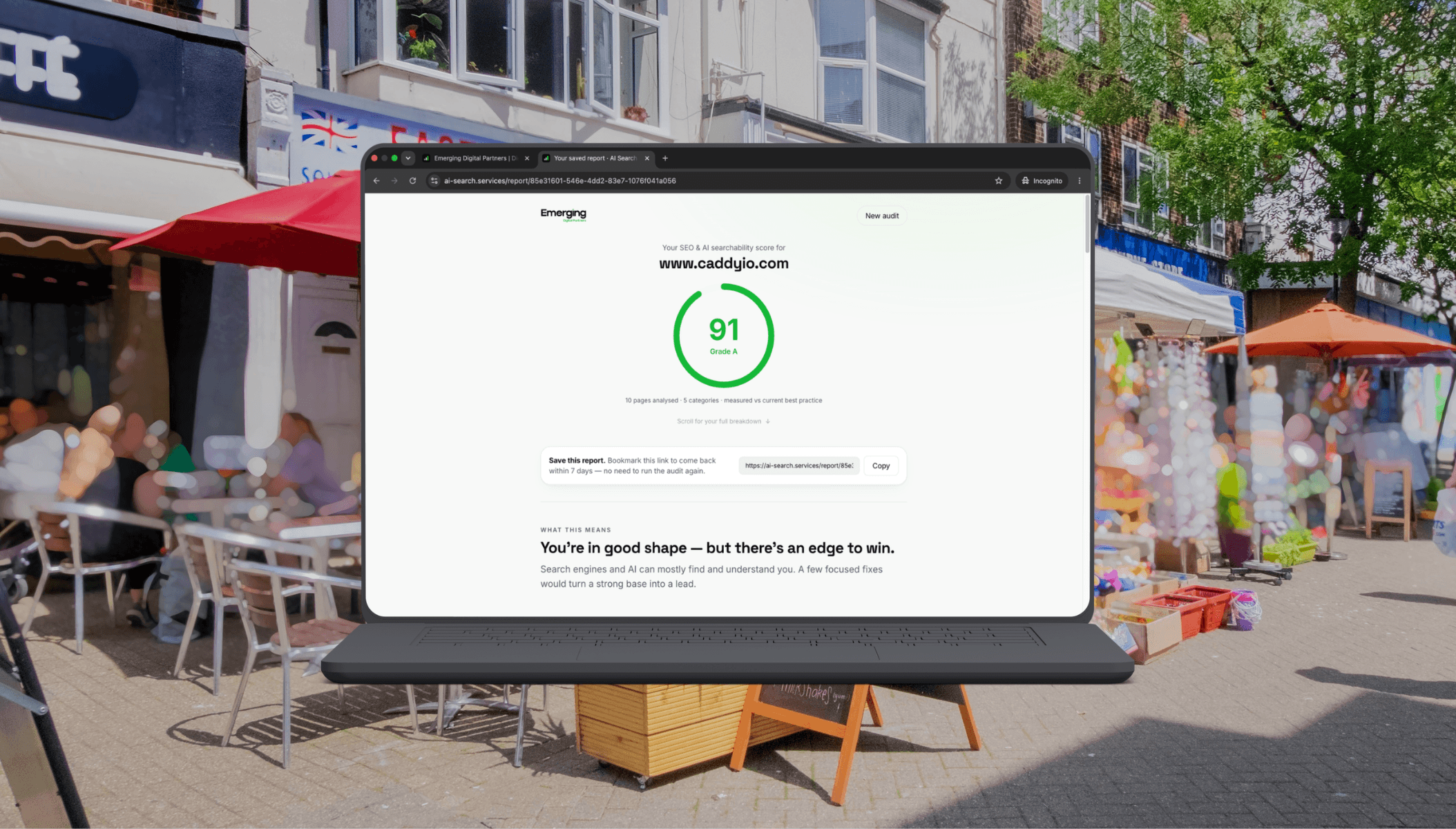
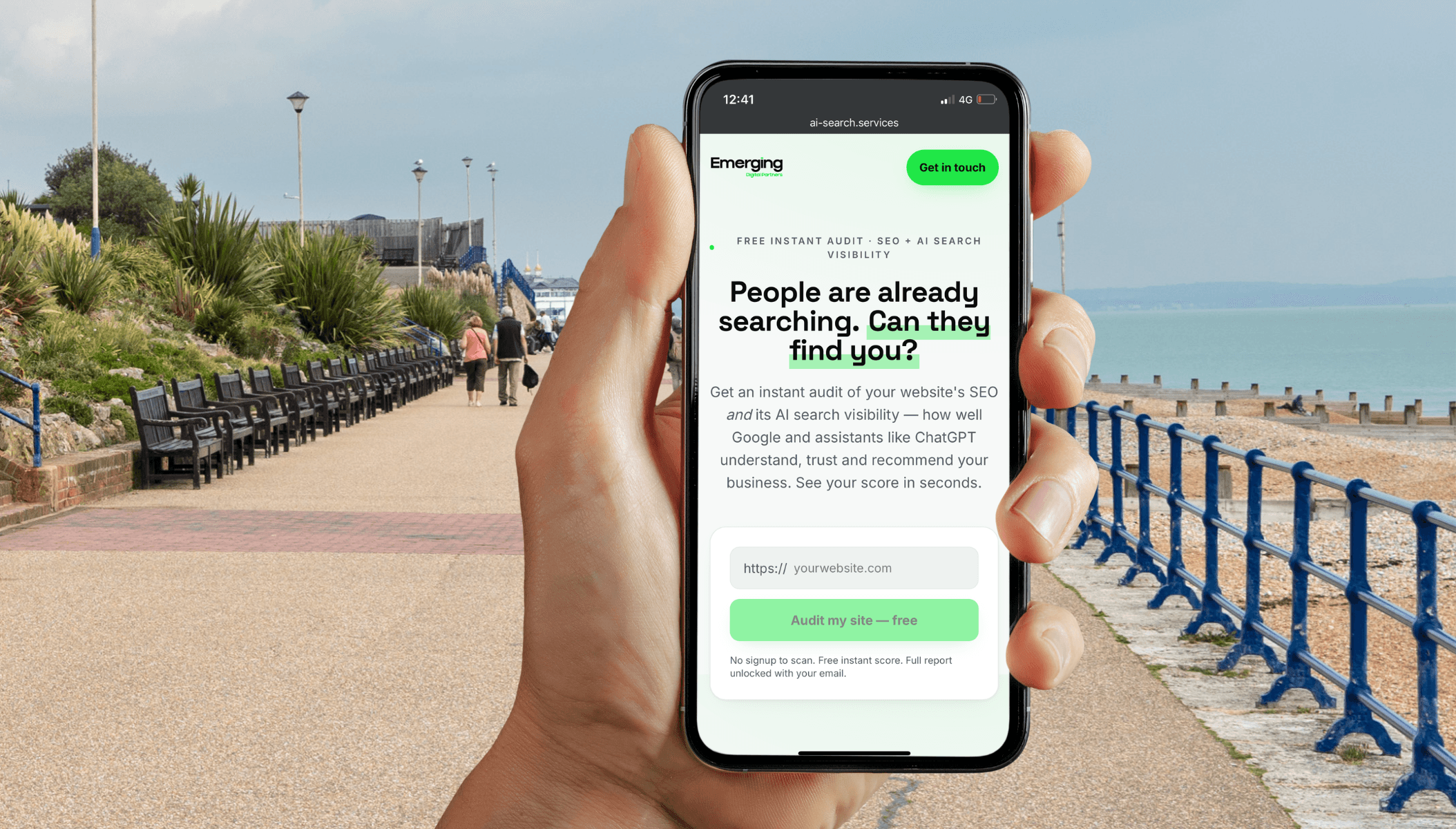
Our free instant SEO and AI Search audit checks your website’s technical foundations, on-page content, AI search visibility and key improvement areas. You can enter your website URL, get an instant score and see where your site may be holding you back.
From there, you will have a clearer idea of whether you need smaller improvements, stronger content, better SEO foundations or a more complete website redesign.
If you are planning a new website from scratch, we can also help you work out what level of build makes sense before you commit to a project. That might be a simple website with clear service information, a more developed site built around SEO and content, or a bespoke website with functionality designed around how your business works.
You may also find it useful to read what AI search says about your business.
Frequently asked questions
A small business website can vary widely depending on the scope, but with EDP a typical small business website may sit somewhere around £500 to £3,000.
Want a hand with this?
We help businesses across Eastbourne and East Sussex turn this kind of thinking into real results.
Start a conversation